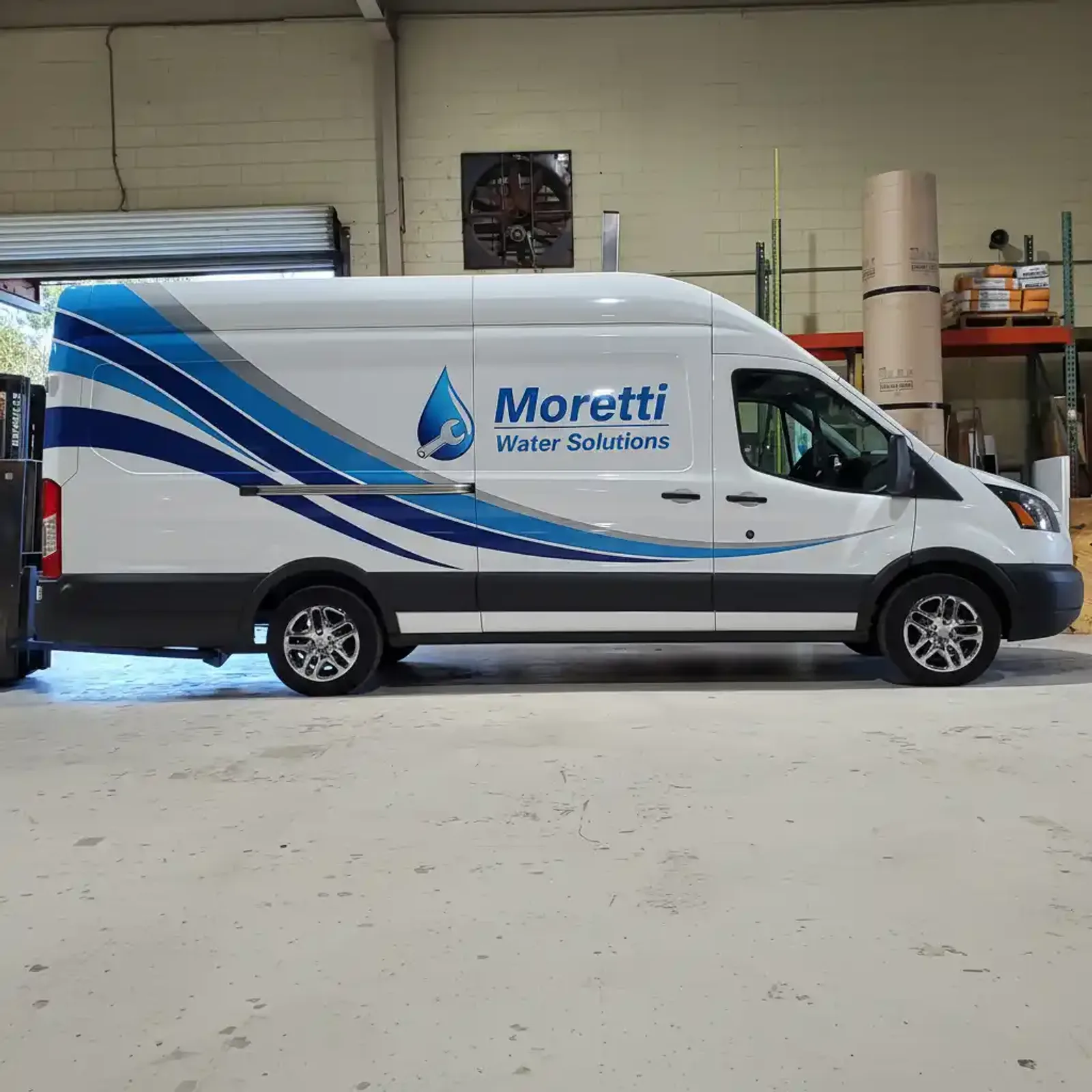
A burst line, an ice-maker hose, or a backed-up drain can put hundreds of gallons into a Westwood property in a matter of hours. We pull the standing water with dedicated extraction units, then position drying equipment sized to the actual cubic footage instead of guessing. The clay-heavy soils around Bergen County hold groundwater against foundations, so a Westwood basement event is rarely a one-and-done dry-out. We photograph the loss before touching it, then track moisture readings each day so the dry-down is provable, not asserted. Get us at 551-351-9710; the truck is loading gear before the call even ends.
- 24/7 emergency dispatch
- Truck-mounted extraction
- Industrial drying equipment
- Daily moisture documentation
- Insurance scope-aligned reconstruction
- IICRC S500 protocol
Reading The Damage Behind The Wall
Most of the cost in a water loss is set by what soaks in, not what pools up. Moisture migrates into the bottom plate, the wall cavity, and the floor assembly, where it sits feeding mold until something pulls it back out.
We set the right mix of air movers and dehumidifiers, then recheck each monitored point daily until the readings clear. The whole job is documented — moisture maps, equipment placement, daily readings — and handed over as a complete claim packet.
Why We Dry By The Numbers
A contractor who declares "looks dry, we are done" at day three is the one who turns a small loss into a mold claim. We meter every wet substrate daily and only close the phase when each material hits the manufacturer-approved baseline.
We do not pad the schedule or rush it; the readings decide when drying ends. Stopping at day three with the meter still high is what reopens a claim six weeks later as mold — so we do not.
Where this service connects to the rest
A property loss in Westwood rarely stays in one lane — water damage restoration often overlaps with smoke odor removal, storm damage restoration, mold inspection and removal, sewer backup remediation, rebuild and restoration, and our crew handles all of it under one contract. We dispatch the same standard to Water Damage Restoration in Westwood, River Vale water damage restoration, Water Damage Restoration in Hillsdale, Emerson water damage restoration and everywhere else across Bergen County.
If you searched for a restoration crew near you, you have reached a local team — call 551-351-9710 any hour. For background, read Sewage Backup in Bergen County: Why It Happens and Why It Demands a Professional Response on our blog, or head back to our Westwood home page to see everything we do.